

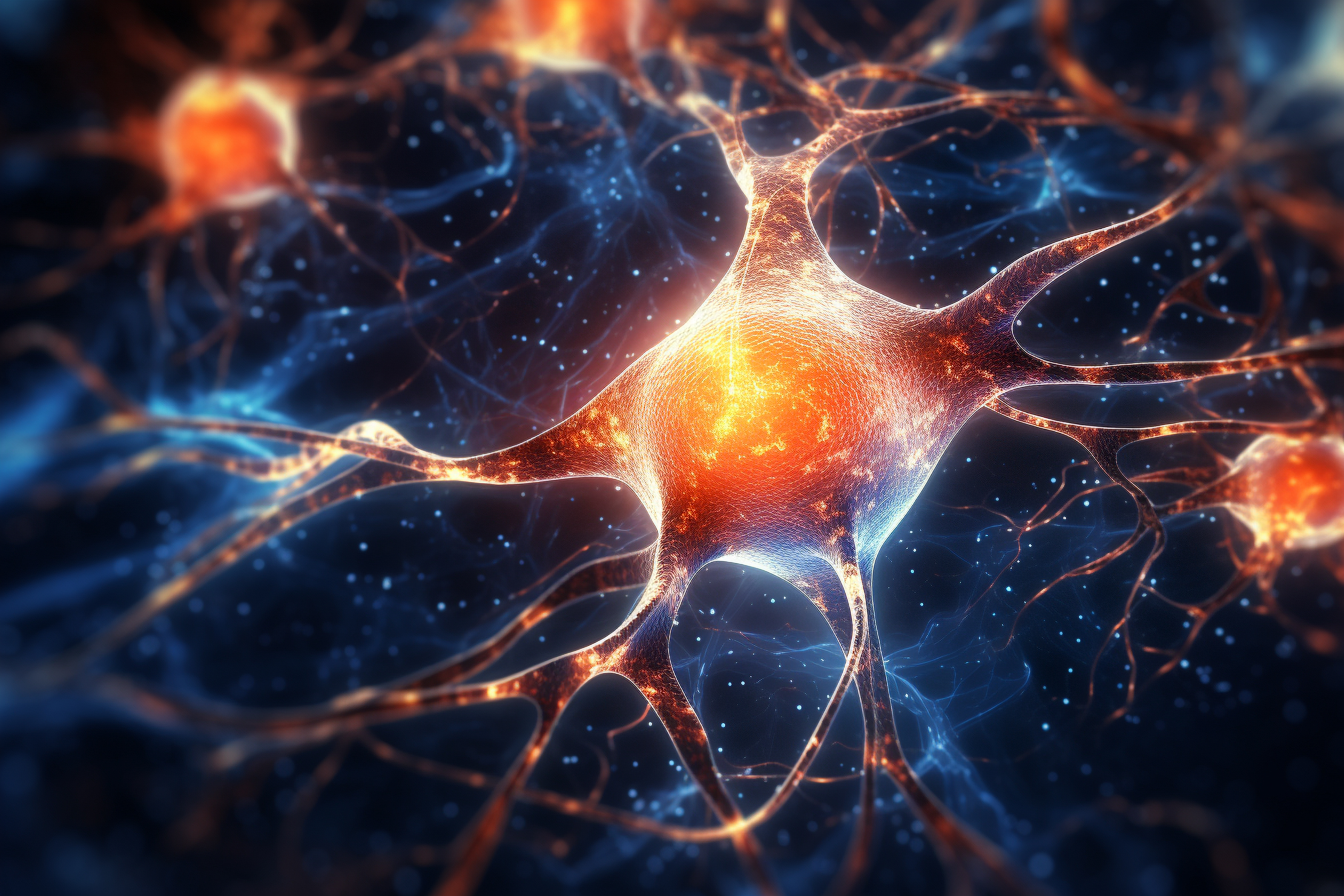
How Hypnosis Works in the Brain
Hypnosis works by shifting the brain into a state of intense focus and internal absorption, fundamentally altering how different regions communicate. This process effectively bypasses "critical thinking" to make the mind more receptive to new ideas and sensations.
Key neurological changes during hypnosis include:
1. Altered Brain Connectivity
Research from Stanford University identified three critical shifts in how brain networks interact:
Reduced Activity in the Salience Network: Specifically the dorsal anterior cingulate cortex (dACC), which normally monitors the environment for distractions and errors. Silencing this "alarm" allows for deep, undisturbed focus.
Increased Mind-Body Connection: Enhanced communication between the dorsolateral prefrontal cortex (DLPFC) (planning/execution) and the insula (body awareness). This explains why hypnosis can effectively regulate physical functions like pain perception or heart rate.
Dissociation of Action and Awareness: A decrease in connectivity between the DLPFC and the Default Mode Network (DMN). This creates a "disconnect" between your actions and your self-consciousness, allowing you to follow suggestions without over-analyzing them.
2. Shift in Brain Wave Activity
During hypnosis, the brain moves away from the fast Beta waves of normal waking consciousness and toward slower frequencies:
Alpha Waves (7.5–14 Hz): Associated with light hypnosis and relaxed alertness.
Theta Waves (4–7.5 Hz): Linked to deep hypnosis, vivid imagery, and high suggestibility. This "theta state" is where the brain is most capable of "rewiring" habits and processing memories.
3. Heightened Neuroplasticity
Hypnosis appears to facilitate Neuroplasticity, the brain's ability to form new neural pathways. By calming the amygdala (fear center) and engaging the prefrontal cortex, it helps decouple strong emotions from traumatic memories or addictive triggers.
4. Direct Impact on Perception
Brain scans show that when a hypnotized person is told they are seeing color in a black-and-white image, the color-processing regions of their brain actually activate. This suggests that hypnosis doesn't just change what people say they feel—it changes their actual sensory reality.