

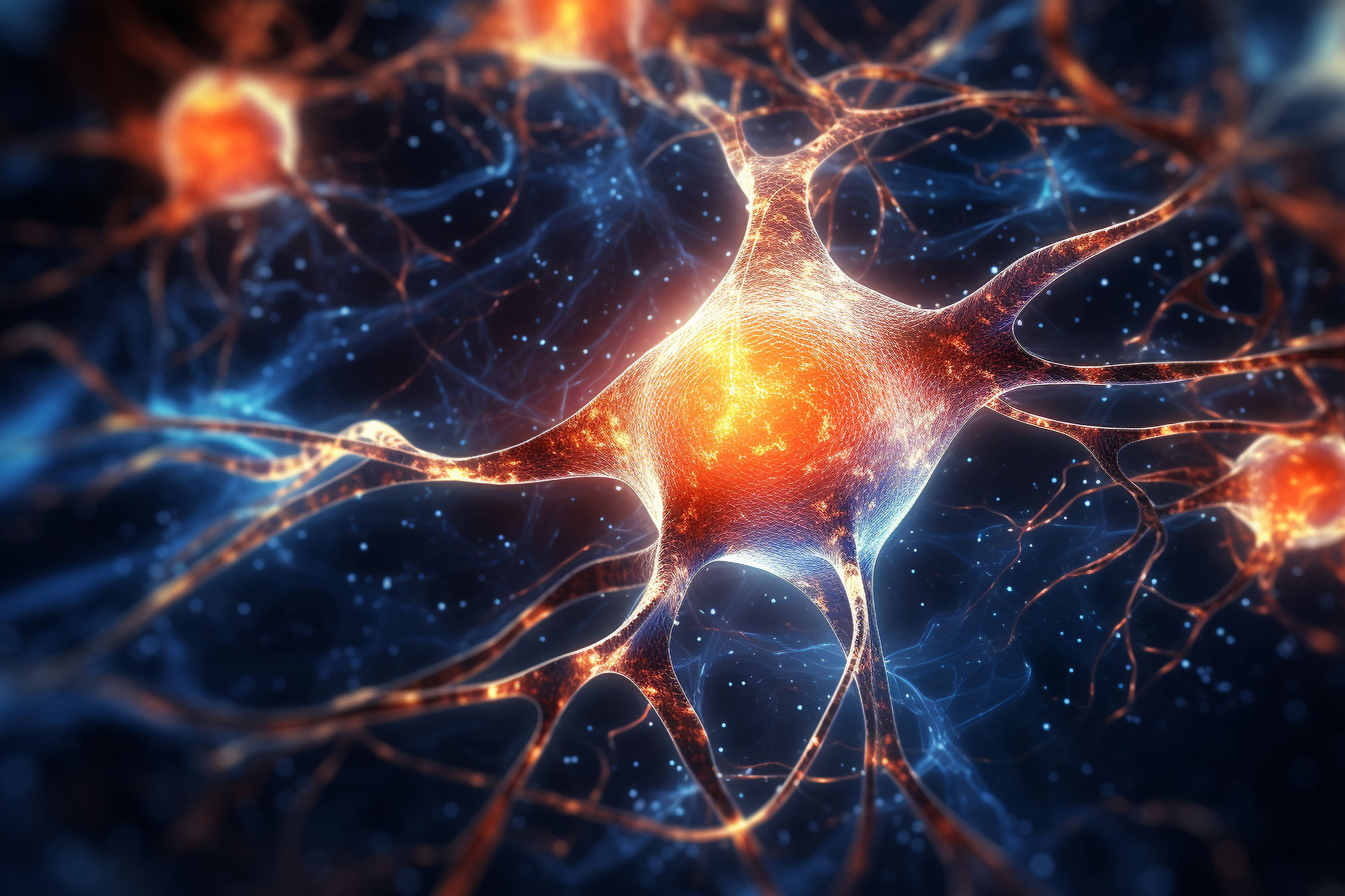
How Hypnosis Works in the Brain
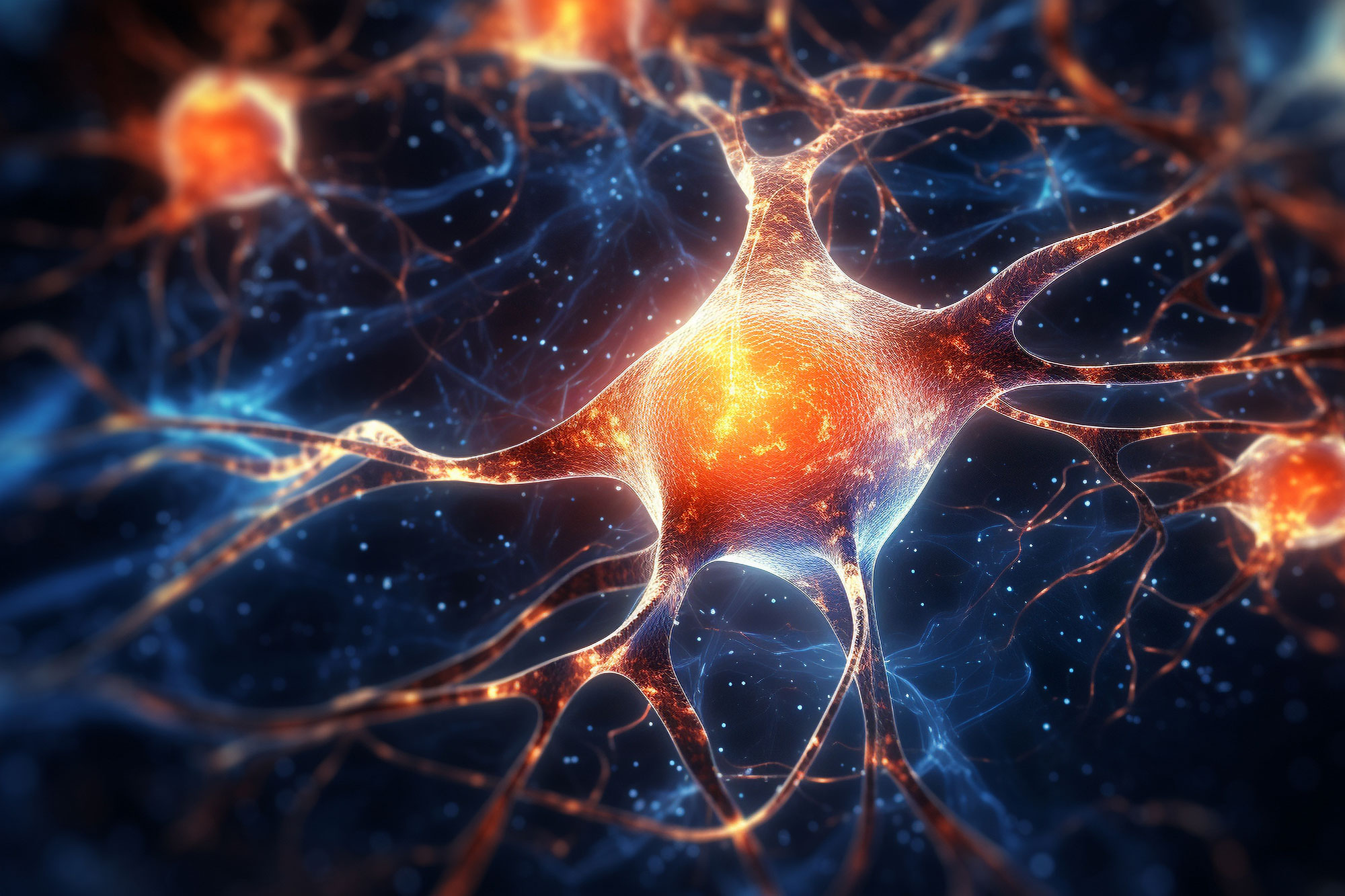
Your Brain Can Learn to Turn Down Pain & Calm Fear
When you're living with chronic pain, or facing treatment that frightens you, it helps to understand what happens in your brain during hypnosis. That understanding can show you why it reaches places other approaches haven't.
Hypnosis changes how different parts of your brain talk to each other. Your usual inner critic gets quiet, and your mind opens to new ideas and sensations.
What Stanford Researchers Discovered
Stanford researchers scanned people's brains during hypnosis and saw three clear shifts.
First, the part of your brain that stays on guard, watching for problems, settles down. Scientists call it the dorsal anterior cingulate cortex. What matters is that your internal alarm system takes a break, so you can focus without constant interruption.
Second, the connection between your planning brain and your body awareness grows stronger. That's why hypnosis can ease physical symptoms like pain and steady things like your heart rate.
Third, your actions and your self-consciousness loosen their grip on each other. You can follow a helpful suggestion without picking it apart.
Your Brain Waves Tell the Story
Your brain waves shift too. Instead of the fast Beta waves of everyday thinking, you move into slower Alpha and Theta waves. Alpha waves come with light hypnosis and relaxed alertness. Theta waves come with deep hypnosis, vivid imagery, and a mind ready to rewire old habits and work through hard memories.
Why This Matters for Your Symptoms
Neuroplasticity is your brain's ability to form new pathways, and it gets a boost during hypnosis. With your fear center calm and your thinking brain engaged in a new way, you can begin to separate strong emotions from the memories and triggers that have shaped your days.
Brain scans show how real this is. When someone under hypnosis is told they're seeing color in a black-and-white image, the color-processing parts of their brain light up on scans. Hypnosis doesn't only change what people say they feel. It changes what they sense.
If your symptoms feel stuck or automatic, hypnosis lets you work with your brain's natural ability to change. I'd be glad to talk with you about whether it fits what you're facing. You can schedule a consultation through my website, or call if you have questions about getting started.
Schedule a complimentary consult.